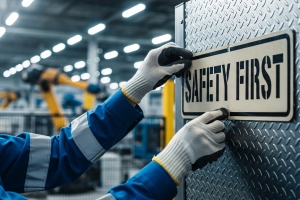
Business owners in Hawaiʻi often worry about their workers’ safety from several angles. In a practical sense, preventable workplace injuries result in financial challenges, including medical costs, legal liabilities, retraining costs, and reputational damage. These costs turn safety programs from compulsory regulations into necessary processes for businesses to lower their insurance costs and keep their workers safe. Yet, the practical aspect is not the only one. Owners also need to keep their workers safe as a matter of ethics, and to preserve an environment of integrity, accountability, and compliance.
Keeping all of these in balance can be difficult. In Hawaiʻi, where worker safety can be impacted by occupational hazards as well as natural disasters, the Hawaiʻi Occupational Safety and Health Division (HIOSH) works with OSHA to ensure employee safety through the Hawaiʻi State Plan. Every business owner in Hawaiʻi should be familiar with this plan and take the necessary steps to keep their business compliant.
Covered in This Blog:
This article outlines how a strong safety program can create an environment of safety compliance that protects workers and lowers business insurance premiums. We also review the types of insurance plans that business owners should consider to keep their assets protected.
Statistical Context for Workplace Injuries in Hawaiʻi
In the average working year, using 2023 as the most recent example provided by the U.S. Bureau of Labor Statistics, private industry employers in Hawaiʻi reported 12,400 cases of workplace injuries and illnesses.
Each of these events leads to increased costs for the business, including:
- Insurance Premium Increases: As businesses file claims for worker injuries, their premiums may be readjusted to reflect higher risk assessments, especially if claims are frequent or costly. In Hawaiʻi, insurance companies use a system called the National Council on Compensation Insurance (NCCI) to gauge a business’s premiums based partly on its safety record.
- Worker Replacement Costs: When workers are injured on the job, they may need to take time off, resulting in temporary replacement costs for the business. In certain industries, such as warehousing and manufacturing, worker absences can also cause costly production downtime.
- Job Transfers: Workers who are injured on the job may not be able to continue at their current position indefinitely due to physical constraints or regulatory requirements. Permanently replacing them in their current position requires job training, certification, and rehiring costs.
- Loss of Certification: Depending on the nature of the injury, businesses can lose significant industry certifications, requiring time and money to recover. For example, workers in the warehousing industry who improperly operate heavy machinery may lose their OSHA certification and may need to retrain and reapply.
- OSHA Penalties: In addition to the logistical and operational costs of workplace injuries, OSHA can penalize businesses for safety violations. The size of the employer, along with other factors, influences the severity of the penalty.
These costs and others demonstrate the financial importance of maintaining workplace safety in any industry in Hawaiʻi. The costs that employers ultimately have to pay depend on many factors, including their size and the decisions made by OSHA enforcement staff, according to the Field Inspection Reference Manual (FIRM).
According to FIRM, safety penalties may be reduced for businesses of certain sizes. This chart summarizes these potential reductions:
| Business Size | Penalty Reduction |
| 25 employees or fewer | Up to 60% |
| 26-100 employees | Up to 40% |
| 101-250 employees | Up to 20% |
Source: State of Hawaiʻi Occupational Safety and Health
Note – Penalty reduction is not as effective as penalty prevention in keeping businesses in Hawaiʻi financially stable, even while managing workplace safety issues.
Types of Business Insurance and How They Can Lower Costs
The owners of both small and large businesses must take their own steps to reduce their insurance premiums with a strong safety program. A comprehensive workplace safety program requires the right combination of business insurance types, employee training, and consistent enforcement of accident prevention procedures to protect the business, its workers, and its assets from liability.
These core coverage types can provide the foundation for a strong safety program for businesses of any size in Hawaiʻi:
Workers’ Compensation Insurance

Workers’ compensation is required by law in Hawaiʻi, but regardless of regulatory compliance, it is a significant part of establishing a stronger workplace safety program. Workers’ compensation pays for workplace injury recovery, lost wages, and more related to legitimate workplace accidents.
How Safety Lowers Costs: Workers’ compensation premiums are directly related to the frequency and severity of the business’s claims. A strong safety program that includes better workplace training, hazard prevention education, and injury response procedures can reduce the financial burden of maintaining required coverage.
General Liability Insurance
General liability policies cover the costs of third-party injuries or property damage. This coverage can protect businesses from significant costs related to tourism. It also covers general damages such as slip-and-fall accidents and vandalism.
How Safety Lowers Costs: Better safety procedures can reduce the impact of general liability costs on monthly premiums by keeping tourists and customers safer. Employees with better training in safety procedures will be better equipped to prevent accidents. Additionally, clearer and more plentiful signage can help prevent falls by correctly guiding guests around hazards and away from off-limits areas.
Commercial Auto Coverage
While businesses that operate vehicles as part of their main operations are likely required by their industry to have comprehensive auto insurance, any business that owns or operates vehicles can benefit from commercial auto coverage. Even if an owner’s or employee’s vehicle is used for business activities, commercial auto coverage may be needed since individual policies often exclude for-profit activities from coverage.
How Safety Lowers Costs: Setting a clear distinction between company-owned and employee-owned vehicles can help businesses establish the right coverage for their operations. A more robust vehicle safety training process can also lower premiums by preventing accidents involving employees.
Employment Practices Liability Insurance
Employment practices liabilities include claims of harassment, mistreatment, and misconduct within the business. While not always related to physical safety, emotional safety is a significant consideration in modern businesses, with 89% of employees rating it as “essential” in modern workplaces, according to studies conducted by McKinsey.
How Safety Lowers Costs: Updated and comprehensive manager and employee codes of conduct, including harassment prevention training, can help lower employment practices liability premiums by preventing cases before they occur.
Business Interruption Insurance
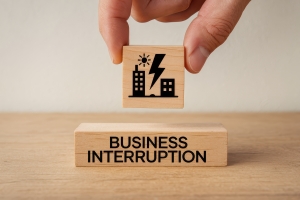
Business interruption, which can include temporary closures due to natural disasters, can cost businesses anything from a weekend of profit to their entire tourist season. In Hawaiʻi, where many businesses rely on busy seasons to carry their profits for the year, business interruption insurance provides essential protection against temporary and seasonal losses, including lost earnings and relocation coverage.
How Safety Lowers Costs: When employees have a clearer disaster safety process, they are more likely to better prepare the business for natural disasters. This can include bringing in vehicles, taking down signage, storing outdoor furniture, preparing windows, and more. A stronger safety program helps employees work with their businesses to reduce the duration, impact, and cost of inevitable interruptions.
Protect Your Business With a Strong Safety Program
As a business owner in Hawaiʻi, a strong safety program is more than a recommended practice. These programs are necessary cost-saving and efficiency measures to protect workers and assets in businesses of any size.
At Atlas Insurance, our goal for nearly 100 years has been to help businesses in Hawaiʻi with our experienced and transparent insurance brokerage services, including safety and insurance consulting, risk management, and benefits. Our team is committed to forming long-term relationships with clients to help them plan their business insurance strategy, educate themselves and their employees on safety regulations in their industry, and avoid OSHA penalties by creating a strong safety environment.
Contact Atlas Insurance today to learn how custom safety programs can keep your business compliant and reduce your business insurance premiums with the right combination of policies, education, and consultation.