

Business owners know that having the right insurance coverage is a necessary part of their success. However, owning a business in Hawaiʻi presents challenges related to its geography, legal regulations, and economic conditions, which can lead to businesses having unpredictable risk profiles.
This guide reviews the 7 insurance coverage types that business owners should have to protect their business investment in Hawaiʻi. Regardless of industry or size, these policies provide a coverage foundation to help owners form a straightforward insurance strategy that targets the common risks of owning a business in Hawaiʻi.
Coverage 1: General Liability Insurance
General liability insurance is the anchor of business coverage. These policies address personal, property, and advertising injury claims that result from normal business operations. Most businesses need general liability insurance to cover their daily operations, though Hawaiʻi does not require it by law.
Depending on the industry, well-structured general liability coverage can be a safety net or a daily necessity. For example, businesses in tourism, hospitality, or any industry operating in high foot traffic are more susceptible to daily general liability risks.
Liability claims can include a customer slipping and falling or a rival business committing copyright infringement. General liability policies commonly exclude risks related to professional services, product recalls, speciality vehicles, and employee wrongdoing.
Pro Tip: Speak with your coverage provider to clarify which exclusions impact your current policy and which may warrant a policy change in your business.
Coverage 2: Commercial Property Insurance
Commercial property insurance protects the property the business owns, including:
- Buildings
- Equipment
- Inventory
- Furniture
- Signage
Common property insurance claims include damage from fire, vandalism, theft, or weather events, though policies may exclude certain types of disasters. For example, while fire coverage is usually included, earthquake and flood coverage often require additional policy riders or extensions.
Businesses in Hawaiʻi contend with a larger variety of potential disasters than businesses on the mainland, including an increased risk of hurricanes, tropical storms, volcanoes, windstorms, earthquakes, floods, and landslides. Standard property coverage may exclude these events. Owners opening a new business or satellite location in Hawaiʻi may not realize the necessity of extra property coverage until their first costly disaster.
Pro Tip: Replacement cost coverage and actual cash value coverage provide two different coverage strategies. In a high-risk environment like Hawaiʻi, the difference can be significant. Consult a local broker to figure out the best protection plan for your assets.
Coverage 3: Hurricane and Windstorm Insurance
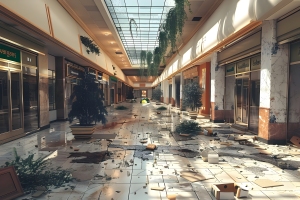
Standard commercial property coverage often excludes or limits hurricane and windstorm damage, which is significant for businesses in Hawaiʻi. The Hawaiʻi Hurricane Relief Fund, previously an alternative resource, now exists as a contingent backstop mechanism focusing on associations for apartments and condos, not as an active source of business hurricane coverage. Every business, regardless of its distance from the coast, should have an active hurricane insurance policy through the private market.
Pro Tip: Ask your provider about a windstorm exposure evaluation to address this potentially glaring coverage gap.
Coverage 4: Workers’ Compensation Insurance
Hawaiʻi law requires businesses to provide workers’ compensation if they have at least one employee working at least twenty hours a week for at least four consecutive weeks. This includes most businesses, which means most business owners are responsible for providing coverage for workers who are injured at work, which includes:
- Medical expenses
- Wage replacement
- Rehab costs
- Retraining costs
- Transfer costs
- Death benefits
- Legal settlements
As the cost of living expenses and medical care continue rising in Hawaiʻi, workers’ compensation premiums will as well. Failing to maintain workers’ compensation is costly, which is why business owners in Hawaiʻi often use proactive workplace safety programs and competitive employee benefits to help manage costs and prevent claims before they happen.
Coverage 5: Temporary Disability Insurance (TDI)
In addition to workers’ compensation, business owners must provide partial wage replacement benefits to workers who are injured outside of work or who suffer from an illness that prevents them from completing their job.
For many employers new to owning a business in Hawaiʻi, TDI may not be on their radar. Hawaiʻi’s Temporary Disability Insurance Law sets contribution requirements that businesses need to follow, as well as approved plan options and penalties for non-compliance. Work with local insurers to integrate TDI into your employee benefits strategy.
Coverage 6: Business Interruption Insurance
Business interruption insurance covers the costs of unexpected business closures due to weather events and other disasters. In Hawaiʻi, businesses can be shut down for extended periods due to weather events or supply chain issues. Business interruption policies cover lost income, operating expenses, and relocation costs in these and other covered events.
Owners can calculate the costs of suspending or moving their operations by factoring in their projected revenue, fixed costs, and recovery timeframe. Speak with your insurance provider about how your business’s policy limits, deductibles, and coverage areas will impact the real-world cost of a temporary closure.
Coverage 7: Commercial Umbrella or Excess Liability Insurance

Commercial umbrella or excess liability policies provide extra protection beyond the business’s other policy limits, including general liability. Particularly for businesses in hospitality, food service, transportation, and tourism, excess liability insurance can help cover unpredictable costs related to high-volume customer interactions. This can include excess personal injury claims or legal judgments, property damage, slander and libel claims, and more.
Pro Tip: Your business’s size, industry, and claims history can help determine whether umbrella insurance is needed.
Additional Coverages Worth Considering
Based on the industry, location, or specific operations, businesses may need additional coverage. Auto insurance, liquor insurance, cyber liability insurance, and other policies may factor into a solid protection plan. Additionally, growing businesses often add new services, personnel, or locations, leading to different risks.
A local insurance agent with experience helping owners in Hawaiʻi customize their policies can help drive coverage decisions in your business. Premium costs alone cannot determine the best coverage, since many providers sacrifice coverage limits or policies to offer lower premiums.
Partner With a Local Broker to Plan Business Insurance Coverage in Hawaiʻi
At Atlas Insurance, our experienced team of brokers provides business owners in Hawaiʻi with an actionable plan for their insurance coverage. We know firsthand the liabilities, risks, and requirements that businesses in Hawaiʻi experience, and we cater to each client’s needs with personalized risk assessments, plan options, and policy reviews. For nearly a century, we’ve served business owners by combining insurance coverage types, setting the deductibles and limits they need, and customizing their coverage.
Contact us today to discuss the policy types and limits for your business based on its risk level, regulatory needs, and goals.