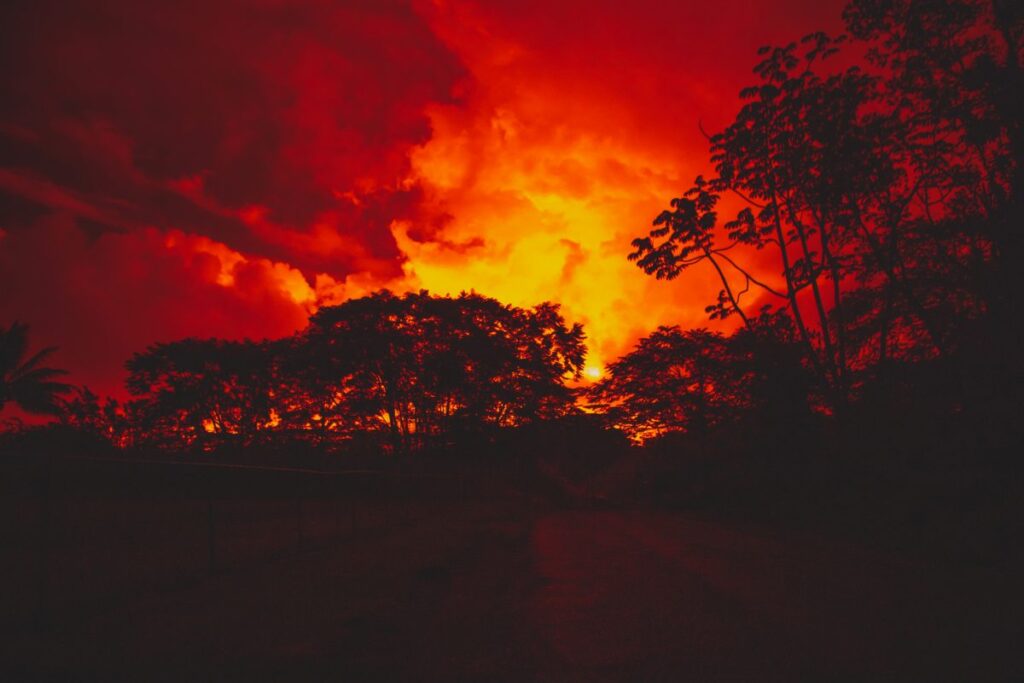
Wildfires are a growing hazard in Hawaiʻi, and Hawaiʻi Emergency Management Agency (HI-EMA) notes that nearly 99% of wildfires in Hawaiʻi are caused by humans, which means many of them are preventable. Wildfire conditions in the islands can be driven by dry vegetation, strong winds, drought conditions, and human activity, and recent years have shown how quickly fires can threaten lives, homes, businesses, and entire communities.
Why It Matters in Hawaiʻi
Wildfire risk matters in Hawaiʻi because it affects far more than rural land. Homes, condo communities, roads, power infrastructure, visitor areas, farms, and local businesses can all be exposed, especially where dry grasses and windy conditions allow fire to spread quickly. Maui County’s wildfire guidance emphasizes the importance of getting ready early, staying situationally aware, and evacuating before conditions become dangerous.
For Hawaiʻi residents and businesses, wildfire disruption can also ripple through daily life in ways that are easy to overlook. A fire can affect road access, employee commuting, tourism activity, deliveries, traffic, and public health through smoke exposure even when flames never reach a particular home or storefront. Hawaiʻi’s emergency guidance also stresses being “2 Weeks Ready” because major disasters can interrupt supplies and normal services on an island system.
Immediate Safety Guidance
For individuals, the first priority is to:
- stay informed and be ready to leave early
- Ready.gov advises people to have several ways to receive alerts, prepare to evacuate on short notice, keep emergency kits ready, and follow evacuation orders immediately.
- Maui County’s wildfire education materials use the “Ready, Set, Go” framework: get your home and family ready, stay alert when fire threatens, and leave early when evacuation is necessary.
For businesses, safety planning starts with people, not property. That means:
- Knowing who has authority to close
- How to communicate with employees and customers
- How to account for staff
- How to respond if roads close, power is disrupted, or air quality becomes unsafe
Ready.gov’s business guidance supports having continuity plans, communications systems, backup records, and evacuation procedures in place before an emergency develops
Common Risks & Impacts
For Individuals
For households, wildfire impacts can include evacuation, home damage, vehicle loss, smoke exposure, poor air quality, temporary displacement, and cleanup concerns after the fire passes. Even people outside the burn area may still experience breathing issues, school closures, disrupted errands, and stress from uncertain conditions. Hawaiʻi Department of Health’s air guidance for wildfire-related particle pollution reinforces that smoke can create health concerns well beyond the immediate fire zone.
For Businesses
For businesses, wildfire losses can extend beyond physical damage. Operations may be disrupted by evacuation orders, unsafe air, road closures, delayed deliveries, utility outages, workforce displacement, or reduced customer activity. This can be especially important in Hawaiʻi for hospitality, retail, restaurants, agriculture, transportation, and businesses that depend on customer access or outdoor work.
What Most People Don’t Realize
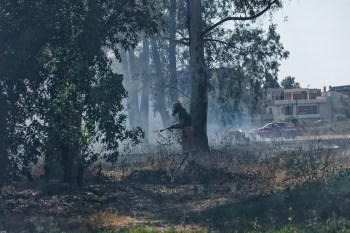
One thing many people do not realize is that wildfire exposure is not just about flames reaching a structure. Smoke, ash, and poor air quality can affect health, operations, and day-to-day decision-making far away from the fire line. Hawaiʻi Department of Health’s environmental monitoring guidance and wildfire response resources emphasize that air quality conditions can remain a major concern during and after a major fire event.
Another common misconception is that people always have plenty of time to decide what to do. In reality, Maui County’s wildfire preparedness guidance strongly emphasizes going early because wildfire conditions can shift rapidly with wind and terrain. In Hawaiʻi, where some communities may have limited routes in and out, early planning can make a major difference.
How to Prepare
Before the Event
- Preparation starts with knowing your local risk, signing up for alerts, building emergency kits, and making a family or business plan before conditions turn dangerous
- HI-EMA recommends wildfire prevention at home and points people to Hawaiʻi-specific wildfire readiness resources
- Ready.gov advises making evacuation plans, preparing go-bags, backing up important records, and being ready to leave quickly if needed.
For homes, preparation may include:
- Clearing dry vegetation near structures
- Accounting for pets and medications
- Documenting belongings
- Planning where family members would go if evacuation is ordered
For businesses, preparation may include:
- Employee communication plans
- Continuity planning
- Emergency contacts
- Remote work contingencies
Steps to protect critical records and equipment
After the Event
After a wildfire, safety still comes first.
- Return only when officials say it is safe
- Avoid damaged areas
- Watch for utility hazards
- Pay attention to ongoing smoke or dust advisories
The Hawaiʻi Department of Health’s wildfire response resources and air quality monitoring pages are especially useful after a major event, because recovery can include both visible fire damage and lingering environmental concerns.
Insurance & Risk Considerations
Wildfires can create complicated loss situations because the effects are not always limited to one burned structure. Evacuation, smoke exposure, interruption to operations, utility issues, access problems, and recovery costs can all shape what households and businesses deal with afterward. That is why it is important to review property risk, continuity planning, and documentation practices before fire conditions worsen.
In Hawaiʻi, wildfire planning is also shaped by local geography, exposure to dry grasses, limited access routes in some communities, and the broader impact of smoke and service disruption. For residents, AOAO communities, and businesses alike, understanding those exposures ahead of time can help identify questions and planning gaps before they become urgent.
How Atlas Can Help
Atlas Insurance Agency can help Hawaiʻi residents, condominium communities, and businesses think through wildfire-related risk before conditions change — and navigate recovery questions afterward. That may include helping clients review exposure concerns, continuity planning, documentation practices, and claims-related considerations tied to homes, AOAO communities, and business operations. Our role is to help clients prepare earlier, respond more confidently, and recover more smoothly.
Resources & Downloads
For practical preparedness and recovery tools, Atlas can feature resources such as:
For individuals and households
- Been Impacted by a Wildfire — What’s Next?
- Home Matters: Wildfires
- Protect Your Home From Wildfires
- Wildfire Preparedness Tips
For businesses
- Risk Insights: Protecting Your Business From Wildfires
- Wildfire Preparation and Safety Tips for Businesses
- Business Continuity Planning for Wildfires
- Supporting Employees During Wildfires
For both audiences
Looking for additional preparedness and risk management resources? Explore helpful content pieces available through the MyATLAS Connection Client Portal, where Atlas clients can access curated materials designed to support planning, safety, and recovery.
Atlas Insurance Agency is available for media interviews related to wildfire preparedness, smoke-related disruption, insurance considerations, condo community exposure, and business continuity in Hawaiʻi.