For those working in certain industries, being “bonded” is either desirable or legally required in order to proceed with a project. Surety bonds provide protection against damages if a contract is not completed as originally agreed upon.
How Does A Surety Bond Work?
A surety bond is a protection that serves as a contract between three parties.
- The principal, or the professional or business doing the work. They are the one in charge of purchasing the surety bond to guarantee the quality of their work on the project.
- The obligee is the one for whom the principal is working and who can recover losses if the work is not completed as agreed upon.
- The surety is the organization that is issuing the bond; it guarantees that the principal will do the agreed upon work as specified. It is wise to rely on a surety that has a history of success in insurance and other financial protection measures to ensure that your contract is robust.
Who Are The Parties Involved In A Surety Bond?
A surety bond is a contract between three parties: the principal (the professional or business doing the work), the obligee (the client), and the surety (the company backing the bond). It ensures the work is completed as agreed. Choosing a trusted surety with a strong financial background adds reliability to the contract.
Who Needs Surety Bonds?
Surety bonds are used in many industries, with government contracts making up a large share. They’re also common in licensing for service businesses to protect consumers. Fields like construction heavily rely on surety bonds for performance, supply, and maintenance guarantees.
Industries Served
Here at Atlas, we understand that no two businesses are the same. Your insurance policy needs to be customized, ensuring you receive coverage while also maintaining compliance. For a breakdown of policies based on your respective industry, click the button below to learn more.
Trust Atlas Insurance Agency, A Marsh & McLennan Agency LLC With Your Surety Bonds Needs
Whether you are trying to learn more about surety bonds or you are looking for a reputable surety to provide one, be sure to trust the best. Atlas Insurance Agency, A Marsh & McLennan Agency LLC is Hawaii’s premier leader in surety and bonds, with a team that has over 20 years of combined experience. How can we help you with your next project?
Answers for Your Most Common Questions about Surety Bonds
Do surety bonds work like insurance policies?
Not quite. While both involve risk protection, a surety bond is more like a form of credit than an insurance policy. If there’s a claim on a bond, the surety pays the obligee but will typically seek reimbursement from the principal. In contrast, insurance spreads risk among policyholders and does not require reimbursement for covered losses.
What types of surety bonds might a business need?
The most common types include:
License & Permit Bonds: Required for professional licenses (e.g., contractors, auto dealers, mortgage brokers).
Contract Bonds: Used in construction to guarantee performance and payment for jobs.
Court Bonds: Required for legal proceedings, such as guardianship or appeals.
Fidelity Bonds (sometimes confused with surety bonds): Protect businesses from employee theft but are technically not true surety bonds.
How much does a surety bond cost?
The cost, or premium, typically ranges from 1% to 15% of the total bond amount, depending on the type of bond, the applicant’s credit, financial strength, and risk level. For example, a $50,000 bond might cost anywhere from $500 to $7,500.
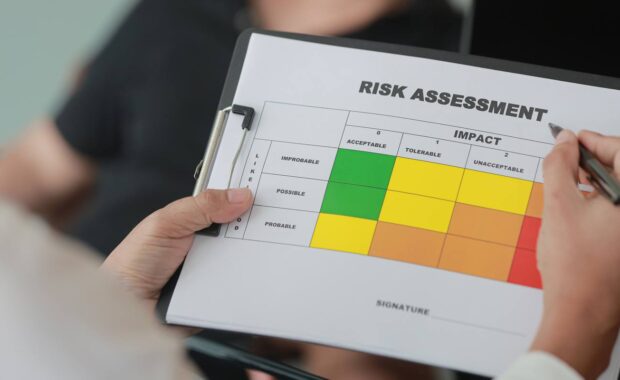
How Risk Assessments Can Lower Your Nonprofit’s Insurance Premiums
Discover how regular risk assessments can lower your nonprofit’s insurance premiums. Learn to identify hazards and implement safety protocols today. Read more.

How to Set Up Insurance for a Nonprofit With No Paid Employees
Learn how to set up insurance for a nonprofit with no paid employees. Explore coverage options, costs and key protections for volunteer organizations.

Startup to Scale: Building Your Business Insurance Strategy in Hawai‘i
Learn how to develop an effective business insurance strategy in Hawaii, from startup to scale. Get expert tips to protect your growing business today!