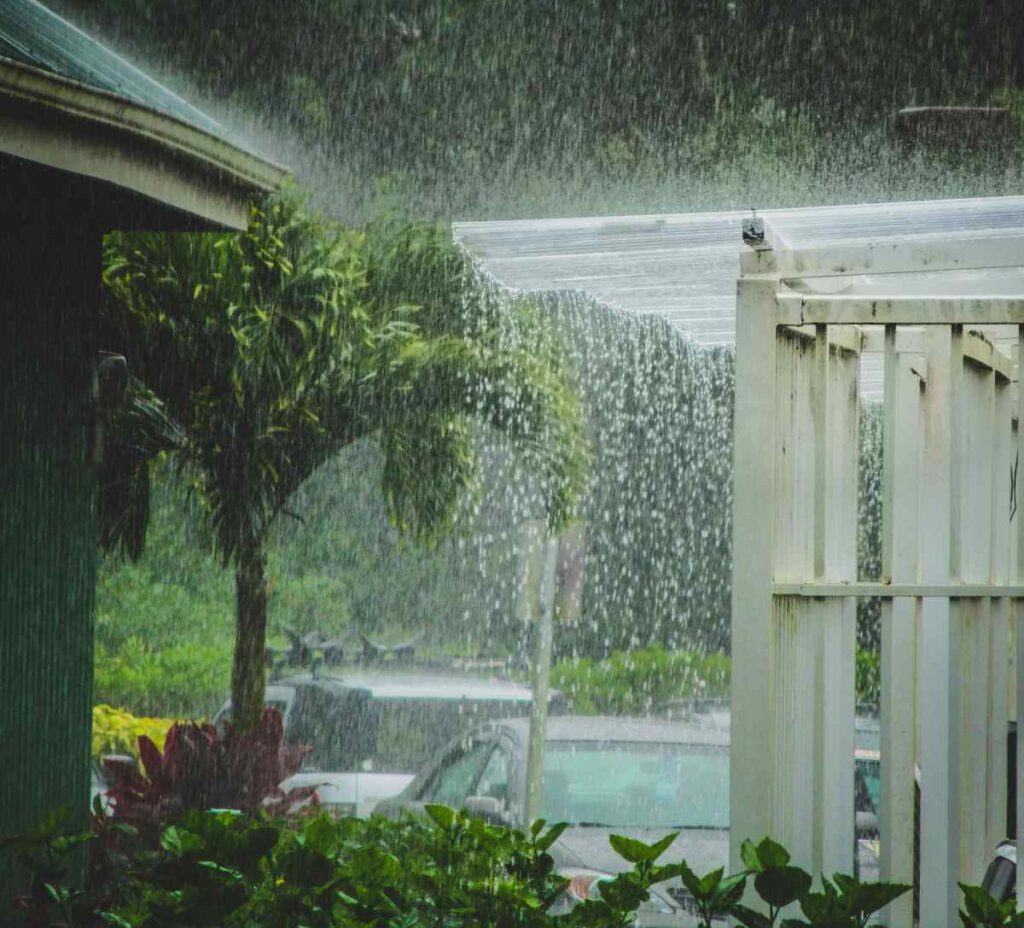
Flooding and heavy rain are among the most common weather hazards in Hawaiʻi. Hawaiʻi Emergency Management Agency (HEMA) specifically warns that rapid flooding can happen during any month of the year, with higher frequency during the wetter months from October through April.
Why It Matters in Hawaiʻi
In Hawaiʻi, flooding can quickly affect homes, condo communities, road access, utilities, schools, and businesses all at once. Because we live on islands with steep terrain, narrow valleys, aging drainage systems in some areas, and communities that depend heavily on road access, ports, airports, and visitor activity, even a short-duration rain event can create outsized disruption. Flooding can be especially serious for homeowners, renters, AOAO communities, retailers, restaurants, hospitality operators, and other businesses that rely on safe access and uninterrupted operations.
Immediate Safety Guidance
For Individuals
The immediate priority is to stay alert, avoid floodwaters, and act early if conditions worsen. The National Weather Service’s flood safety guidance for Hawaiʻi reinforces the message “Turn Around, Don’t Drown,” and Hawaiʻi Emergency Management Agency encourages residents to make a family plan, prepare emergency supplies, and monitor local alerts before and during heavy rain events.
For Businesses
safety starts with protecting employees, customers, and visitors before worrying about reopening. Ready’s business guidance recommends emergency plans that address communication, accountability, continuity of operations, shutdown procedures, and recovery steps if a facility becomes inaccessible or unsafe.
Common Risks & Impacts
For Individuals
Heavy rain and flooding can damage homes, vehicles, and personal belongings, but they can also create less visible problems such as mold, contaminated water, blocked roads, extended power outages, and temporary displacement. Even when floodwaters recede quickly, cleanup and reentry can pose health and safety concerns.
For Businesses
For businesses, flooding can mean more than water inside a building. It can shut down access roads, delay deliveries, reduce customer traffic, interrupt utilities, damage inventory, and force temporary closure. In Hawaiʻi especially, a flood event may also create knock-on effects through supply chain interruptions and workforce disruptions even when the physical damage is limited. Read.gov business toolkits specifically highlight flooding as a continuity-planning issue, not just a property issue.
What Most People Don’t Realize
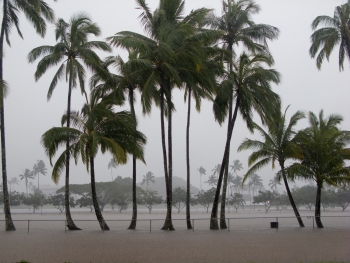
One of the biggest misconceptions is that all water damage is treated the same. It is not. Federal Emergency Management Agency (FEMA) states that most homeowners insurance does not cover flood damage, and flood losses are often handled under separate flood insurance policies rather than standard homeowners coverage. That surprise can be a major setback for both households and businesses after a storm.
Another thing people often underestimate is how dangerous shallow moving water can be. The National Weather Service repeatedly emphasizes that vehicles and pedestrians can be put at risk quickly in flood conditions, which is why avoiding flooded roads and low-lying areas is so important during heavy rain events.
How to Prepare
Before the Event
Preparation starts with:
- Knowing your flood risk
- Monitoring weather alerts
- Having a plan before roads or utilities are affected
HEMA encourages residents to make a family emergency plan and build supplies in advance, while Ready.gov recommends protecting important documents, reviewing evacuation routes, and documenting property and equipment before a disaster occurs. Businesses should also identify critical records, backup systems, emergency contacts, payroll contingencies, and reopening decision-makers ahead of time.
After the Event
- After flooding, safety still comes first.
- Return only when conditions are safe
- Avoid standing or moving water
- Begin documenting losses as soon as you can safely do so.
Businesses should assess building conditions, preserve records of interruption and damage, communicate clearly with employees and vendors, and avoid sending staff into unsafe cleanup conditions without proper precautions.
Insurance & Risk Considerations
Flood planning is one of the clearest examples of why reviewing risk ahead of time matters. FEMA explains that flood insurance is a separate policy and that flood losses are generally not covered under standard homeowners insurance. That distinction can affect homes, renters, condo units, and businesses alike.
For Hawaiʻi residents and businesses, the practical takeaway is simple: review how flood-related losses should be handled before the next heavy rain event. Coverage questions can become especially important for buildings in higher-risk flood zones, for businesses that depend on uninterrupted access, and for condo communities where common-area damage and unit-level impacts may create confusion after a loss. FEMA also notes that some policyholders in high-risk flood areas may have access to additional compliance-related support after certain losses, which reinforces how important it is to understand the policy structure before a disaster happens.
How Atlas Can Help
Atlas can help Hawaiʻi residents, condominium communities, and businesses prepare for flood-related risk before heavy rains arrive and navigate the recovery process after an event. That may include helping clients think through exposures, continuity planning, claims advocacy, and practical risk considerations tied to homes, AOAO communities, and business operations.
Our role is to help clients prepare earlier, respond more confidently, and recover more smoothly.
Atlas Insurance Agency, A Marsh Agency LLC Company is available for media interviews related to flood preparedness, heavy rain response, insurance considerations, condo community risk, and business continuity in Hawaiʻi.