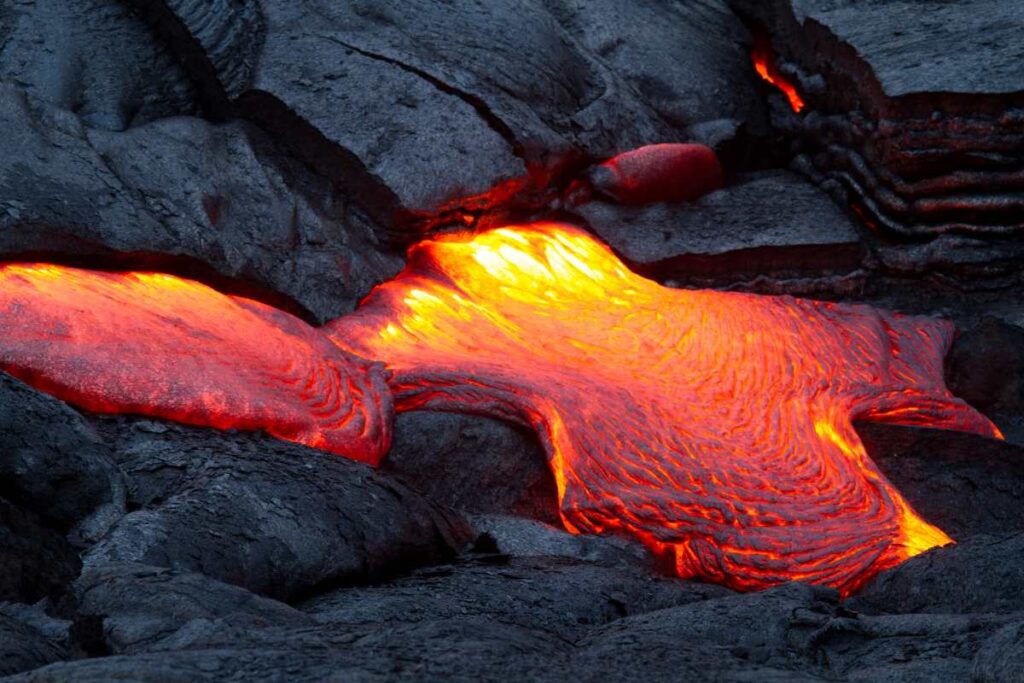
Volcanic activity is a normal part of life on the Island of Hawaiʻi, where the U.S. Geological Survey’s (USGS) Hawaiian Volcano Observatory monitors active volcanoes, earthquakes, and eruption hazards year-round. Volcanic hazards can include lava flows, volcanic gas, ash or tephra, ground cracking, rockfalls, and earthquake activity associated with eruptions. Recent USGS notices for Kīlauea have also highlighted hazards near the summit such as unstable crater walls, ground cracking, and rockfalls, which shows how quickly conditions can change around active volcanic areas.
Why It Matters in Hawaiʻi
Volcanic risk in Hawaiʻi is highly local, but the impacts can still ripple far beyond the immediate eruption area. Hawaiʻi’s 2023 State Hazard Mitigation Plan identifies lava-flow hazard areas in both Hawaiʻi County and Maui County, with the highest concentration of exposed land in Hawaiʻi County and additional mapped lava-flow hazard zones in East Maui. On Hawaiʻi Island, USGS also maintains long-term lava-flow hazard zones for Kīlauea, Mauna Loa, Mauna Kea, Hualālai, and Kohala to help residents and planners understand where lava hazards are greatest over time.
For Hawaiʻi residents and businesses, volcanic activity is not just a Hawai‘i Island property issue. It can affect air quality, outdoor work, road access, tourism activity, agriculture, utilities, transportation, and supply chains. USGS notes that volcanic air pollution, or vog, can affect human health and agriculture, and may even contaminate household water supplies in rooftop catchment systems through acid rain effects.
Immediate Safety Guidance
For Individuals
The first priority is to follow official alerts and avoid hazard areas Ready.gov advises people to listen for emergency information, follow evacuation or shelter instructions, evacuate early if told to do so, protect themselves from falling ash, and reduce ash exposure if sheltering in place. The Hawaiʻi Department of Health also advises residents and visitors to reduce outdoor activity during vog conditions, stay indoors with windows and doors closed, set air conditioning to recirculate, and contact a medical provider if symptoms develop.
For Businesses
Safety planning should focus on employees, customers, and operations in that order. That means knowing who makes closure or evacuation decisions, how to communicate quickly, how to account for staff, and how to protect people from lava hazards, ash, gas, or poor air quality. Businesses with outdoor operations, customer-facing locations, delivery schedules, or tourism exposure should be especially prepared for rapid changes in access and air conditions. Ready.gov and the Hawaiʻi Department of Health both reinforce the importance of following official instructions and limiting exposure to ash and vog.
Common Risks & Impacts
For Individuals
For households, volcanic activity can threaten homes directly through lava flow in high-hazard zones, but many people are more likely to feel secondary effects first: poor air quality from vog, ash cleanup, limited road access, disrupted routines, canceled travel, or concern about vulnerable family members with respiratory conditions. USGS and Centers for Disease Control and Prevention (CDC) both note that vog can irritate the eyes, nose, throat, and lungs and can worsen existing respiratory problems such as asthma.
For Businesses
For businesses, volcanic activity can create both direct and indirect disruption. Direct exposure may involve lava hazards or ash impacts, while indirect exposure may include lost foot traffic, canceled reservations, disrupted deliveries, employee health concerns, temporary closure, and reduced access to certain areas. In Hawaiʻi, that can be especially important for hospitality, retail, agriculture, transportation, and businesses operating on or serving the Island of Hawaiʻi.
What Most People Don’t Realize
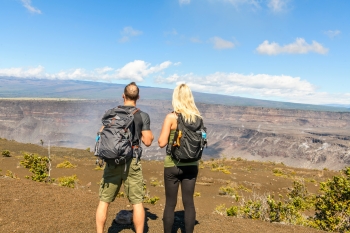
One thing many people do not realize is that volcanic risk is not limited to lava. Vog can travel downwind and affect communities that are far from an eruption site, depending on weather and wind conditions. USGS explains that wind direction and speed are among the most important factors in where vog affects air quality, and the Hawaiʻi Department of Health has repeatedly warned that elevated volcanic gas emissions can create poor air quality across multiple islands.
Another blind spot is that volcanic activity can create major disruption even where there is no direct property loss. A business may lose customers, employees may not be able to work safely outdoors, events may be canceled, and residents may need to leave an area temporarily because of gas, ash, or road closures. That is one reason volcanic planning in Hawaiʻi is as much about continuity and health protection as it is about physical damage.
How to Prepare
Before the Event
- Preparation starts with knowing your location-specific risk. On Hawaiʻi Island and East Maui, that may include understanding whether your property or operations are in a lava-flow hazard zone, identifying evacuation routes, signing up for volcano notifications, and making a household or business emergency plan
- Ready.gov also recommends including goggles, N95 masks, long sleeves, long pants, and supplies to keep ash out of indoor spaces when volcanic ash is a concern.
- For homes, preparation may also include documenting property, protecting important records, and planning for vulnerable family members, pets, and medication needs.
- For businesses, preparation may include backing up records, identifying alternate work arrangements, confirming employee communications, and planning for shutdowns, closures, or reduced service if conditions change quickly. Ready.gov’s volcano guidance stresses planning early because alerts may not provide much lead time.
After the Event
After volcanic activity affects your area, safety still comes first.
- Follow county and state guidance before returning
- Avoid closed hazard areas
- Limit exposure to ash and volcanic gas
- Document damage as soon as it is safe to do so.
Ready.gov advises people to avoid driving in heavy ash fall and to protect themselves from ash exposure, while the Hawaiʻi Department of Health recommends reducing outdoor activity and monitoring symptoms during vog conditions.
Insurance & Risk Considerations
Volcanic events can create complicated loss situations because the impacts are not always limited to one obvious cause. Physical damage, access issues, air quality concerns, cleanup, and interruption to operations may all affect the recovery picture differently. That is why it is important for residents, condo communities, and businesses to review how volcanic hazards, property damage, business interruption, and continuity planning would be handled before a crisis develops. For Hawaiʻi specifically, location matters. USGS lava-flow hazard maps and the state hazard mitigation plan both show that long-term exposure is not the same everywhere, especially between high-hazard portions of Hawaiʻi Island, East Maui, and the rest of the state. Reviewing location-based risk ahead of time can help people ask better questions, identify gaps earlier, and plan more confidently.
How Atlas Can Help
Atlas Insurance Agency, A Marsh Agency LLC Company can help Hawaiʻi residents, condominium communities, and businesses think through volcanic risk before conditions change — and navigate recovery questions afterward. That may include helping clients review location-based exposures, continuity planning, documentation practices, and claims-related considerations tied to homes, AOAO communities, and business operations.
Our role is to help clients prepare earlier, respond more confidently, and recover more smoothly.
Atlas Insurance Agency, A Marsh Agency LLC Company is available for media interviews related to volcanic preparedness, vog-related disruption, insurance considerations, condo community risk, and business continuity in Hawaiʻi.