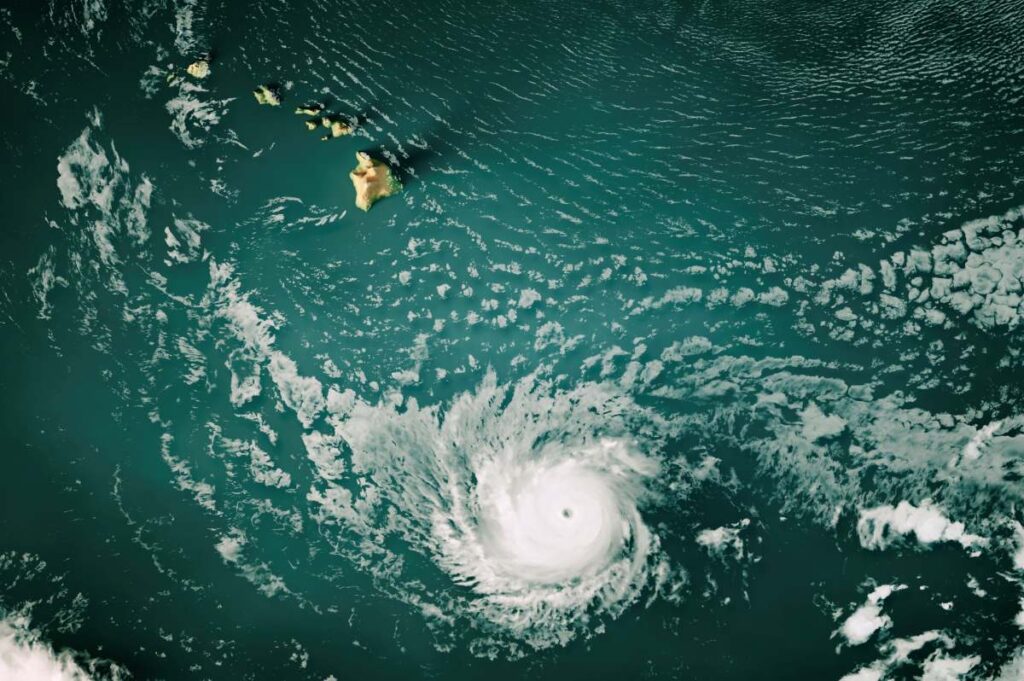
Hurricane and tropical storm threats are a real part of life in Hawaiʻi. The Central Pacific Hurricane Center in Honolulu issues official watches, warnings and advisories for tropical cyclones in the central Pacific during hurricane season, which runs from June 1 through November 30. These systems can bring damaging winds, heavy rain, flash flooding, dangerous surf, and storm surge.
Why It Matters in Hawaiʻi
In Hawaiʻi, hurricane planning is about more than just one home or one business. A storm can affect families, condo communities, workplaces, transportation, utilities, and access to day-to-day essentials. That makes preparation important for everyone that may need to make decisions quickly when conditions begin to change. Hawaiʻi Emergency Management Agency also emphasizes knowing your zone, understanding local risk, and being ready to evacuate early if needed.
Immediate Safety Guidance
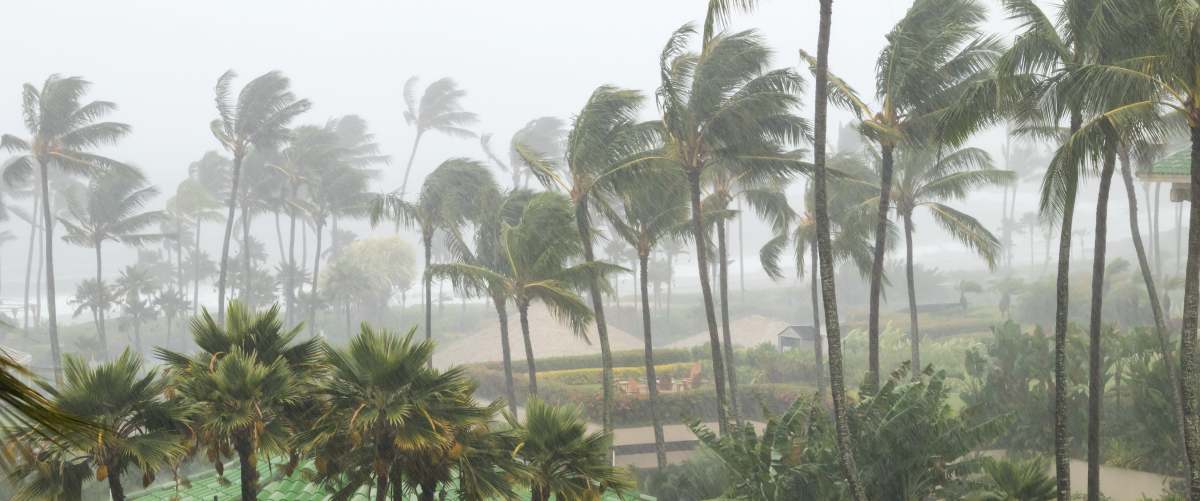
For individuals, the priority is simple: stay informed, act early, and do not wait until conditions worsen. Monitor official alerts from Hawaiʻi Emergency Management Agency (HEMA), the Central Pacific Hurricane Center, and the National Weather Service – Honolulu. Know where you would go if you needed to evacuate, keep an emergency kit ready, make a family communication plan, and include pets, medications, chargers, food, water, and important documents in your planning.
For businesses, immediate safety means protecting people first and operations second. Employers should have an evacuation plan, a clear chain of command, a way to account for employees and visitors, and a process for emergency communications, shutdown decisions, and reopening. OSHA specifically advises employers to plan ahead so workers can get to safety and so response and recovery work can be handled more safely afterward.
Common Risks & Impacts
For Individuals
A hurricane or tropical storm can damage roofs, windows, vehicles, and personal belongings. Even when a property avoids major structural damage, families may still face power outages, spoiled food, debris, temporary displacement, unsafe roads, and cleanup hazards after the storm passes. Hurricanes are dangerous not only because of wind, but also because of flooding and storm surge.
For Businesses
For businesses, the impact can go well beyond physical damage. Storms can interrupt operations, reduce customer access, delay deliveries, damage inventory or equipment, and create safety concerns for employees, vendors, and customers. Employers may also need to manage temporary closure decisions, remote work arrangements, cleanup risks, and reopening timelines.
What Most People Don’t Realize
Many people focus on wind first, but storm surge is often one of the greatest threats to life and property in a hurricane. Another common misconception is that only a direct hit matters. In reality, tropical systems can cause serious problems through rainfall, flooding, surf, and coastal impacts even when the center of the storm is not directly overhead. Another blind spot is insurance. Many people do not realize until it’s too late that most homeowners insurance policies don’t cover flood damage, and Federal Emergency Management Agency (FEMA) notes that many standard property policies do not cover flood losses. That is why reviewing coverage before the season starts matters just as much as stocking supplies.
How to Prepare
Before the Storm
- Build a household or business emergency plan
- Identify who makes decisions
- Identify where you would go if you had to evacuate
- How you would communicate if phones or power are disrupted
- What supplies you need to have on hand
The National Oceanic Atmospheric Administration (NOAA) and ready.gov recommend assembling disaster supplies, documenting possessions, checking insurance, and reviewing evacuation routes before hurricane season is underway.
For homes and condo residents, preparation may include:
- Securing loose outdoor items, charging devices, protecting important papers, and understanding building procedures.
For businesses, preparation may include:
- Protecting records
- Backing up key systems
- Reviewing emergency contacts
- Confirming vendor responsibilities
Planning how payroll, customer communication, and reopening decisions would be handled if operations are disrupted
After the Storm
After the storm, focus on safety first.
- Return only when local officials say it is safe
- Watch for downed power lines, standing water, structural damage, and cleanup hazards
- Document damage as soon as you safely can
Businesses should:
- Assess facility conditions
- Verify employee safety
- Preserve records of damage and interruption
Avoid sending workers into hazardous areas without proper precautions
Insurance & Risk Considerations
Insurance planning should happen before a storm is in the forecast. Review your policies early, understand what types of storm-related damage may be covered, and pay close attention to deductibles, exclusions, and flood-related gaps. Ready.gov and FEMA both emphasize checking hurricane-related coverage before the season and documenting property and belongings in advance.
One of the most important points for Hawaiʻi residents and businesses is that flood damage is often handled differently from wind damage.
FEMA states that most homeowners insurance does not cover flood damage, and NFIP resources note that flood insurance may be needed for homes, renters, condominiums, and businesses. Planning ahead can make the recovery process far less stressful when a storm causes both wind and water impacts.
How Atlas Can Help
Atlas can help Hawaiʻi residents, condominium communities, and businesses think through hurricane and tropical storm risk before a storm arrives and navigate the recovery process after one passes. That may include reviewing risk exposures, helping clients understand insurance considerations, supporting claims advocacy, and identifying ways to strengthen continuity planning for homes, AOAO communities, and businesses.
Our goal is simple: help clients prepare earlier, respond more confidently, and recover more smoothly.
For practical storm-preparedness tools, Atlas can feature downloadable resources such as:
For individuals and households
- Hurricane Preparedness Tips
- Packing Your Hurricane Emergency Kit
- Planning a Hurricane Evacuation
- Ways to Reduce Hurricane Damage to Your Home
- Home Matters: Preparing for a Hurricane
- Been Impacted by a Hurricane — What’s Next?
For businesses
- Risk Insights: Advanced Planning for Hurricanes
- Supporting Employees Before, During and After a Hurricane
- Hurricane Before the Storm Checklist
- Hurricane During the Storm Checklist
- Hurricane After the Storm Checklist
- Hurricane Assessment Checklist
- OSHA Hurricane Preparedness and Response Guidance
You can also direct visitors to official public resources from Hawaiʻi Emergency Management Agency, the Central Pacific Hurricane Center, the National Weather Service Honolulu, and ready.gov for alerts, preparedness guidance, and storm updates. Looking for additional risk management resources? Explore helpful content pieces available through the MyATLAS Connection Client Portal, where Atlas business insurance clients can access curated materials designed to support planning, safety, and recovery.
Atlas Insurance Agency, A Marsh Agency LLC Company is available for media interviews related to hurricane preparedness, storm recovery planning, insurance considerations, condo community risk, and business continuity in Hawaiʻi.