Power outages can happen in Hawaiʻi for many reasons, including storms, wildfires, downed lines, equipment damage, vehicle accidents, or emergency shutoffs tied to dangerous weather conditions. Hawaiʻi Emergency Management Agency’s (HI-EMA) preparedness guidance specifically tells residents to plan for disruptions to power and information, and Hawaiian Electric maintains outage maps, outage reporting tools, storm updates, and safety guidance for Oʻahu, Maui County, and Hawaiʻi Island.
Why It Matters in Hawaiʻi
In Hawaiʻi, power outages can have ripple effects that go beyond inconvenience. They can interrupt refrigeration, internet and phone charging, water access for some households, traffic signals, retail and restaurant operations, and critical business functions. Because island communities depend heavily on utilities, road access, ports, and timely deliveries, a prolonged outage can affect homes, condo communities, and businesses all at once. HI-EMA’s “2 Weeks Ready” guidance reflects this reality by emphasizing readiness for extended disruptions to supplies and essential services.
Immediate Safety Guidance
For individuals, the immediate priorities are to:
- Stay safe
- Keep devices charged
- Avoid downed lines
- Protect food, medications, and medical needs
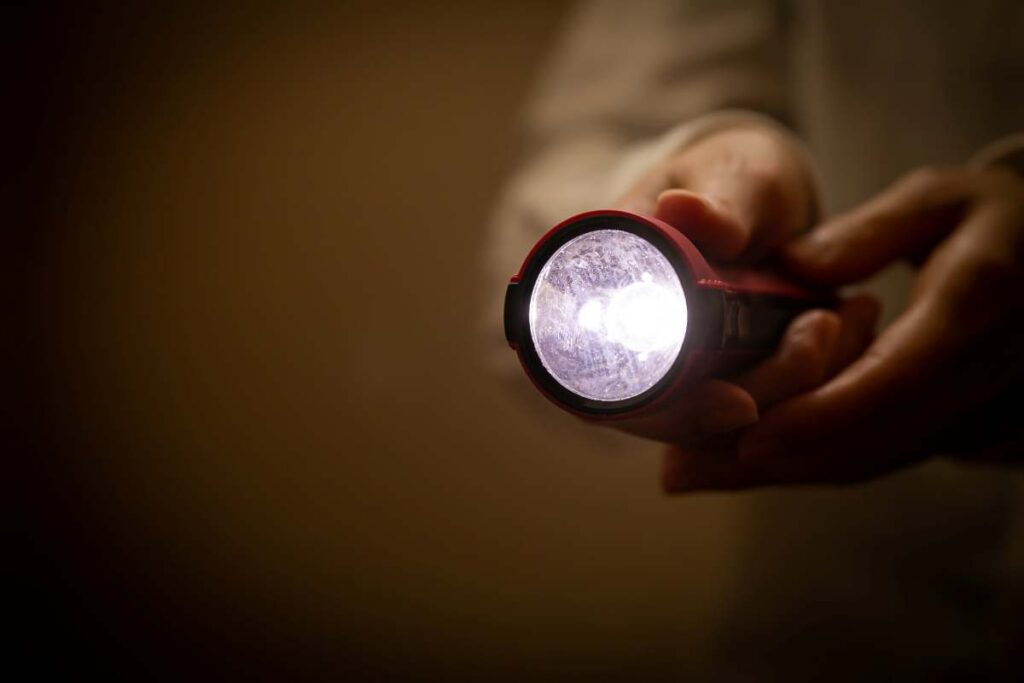
Ready.gov recommends keeping freezers and refrigerators closed, using flashlights instead of candles when possible, and having alternative ways to charge phones. The Centers for Disease Control and Prevention (CDC) also advises people to protect themselves from carbon monoxide by never using generators, grills, or camp stoves indoors, and to think ahead about food safety, water, medications, and medically necessary devices.
For businesses, immediate safety means:
- Protecting employees, customers, tenants, and visitors first
- Knowing who has authority to close
- How to communicate with staff
- How to maintain site safety during darkness or limited systems
- How to decide when operations should pause or resume.
Ready.gov’s business power outage toolkit lays out continuity planning, backup systems, communications, and recovery steps for organizations facing outage-related disruption.
Common Risks & Impacts
For Individuals
For households, power outages can create immediate issues such as spoiled food, loss of lighting, no air circulation, inability to charge devices, interruptions to remote work or school, and added concern for seniors, keiki, and anyone who depends on refrigerated medications or home-use medical equipment. The CDC specifically highlights risks tied to food safety, medication storage, temperature extremes, and electrically powered medical needs.
For Businesses
For businesses, outage impacts can include lost revenue, spoiled inventory, payment system interruptions, network downtime, employee scheduling challenges, security issues, delayed deliveries, and temporary closure. Restaurants, retailers, hospitality operators, offices, and condo communities may all feel those effects differently, but the common thread is operational disruption. Ready.gov’s business toolkit treats power loss as a continuity issue, not just a facilities issue.
What Most People Don’t Realize
One thing many people do not realize is that a power outage can become a health and safety problem quickly even without storm damage to a building. CDC warns that carbon monoxide poisoning is a major danger during outages when generators or fuel-burning devices are used incorrectly, and that food, water, medications, and indoor temperatures can all become concerns as an outage stretches on.
Another blind spot in Hawaiʻi is that some outages may be tied not only to damage, but also to preventive safety measures. Hawaiian Electric’s Public Safety Power Shutoff program explains that power may be shut off in specific high wildfire-risk areas under dangerous conditions to reduce fire risk. That means some customers and businesses may need to prepare for outages even before physical damage occurs.
How to Prepare
Before the Outage
Preparation starts with a plan. HI-EMA recommends building emergency supplies around water, food, medicine, power, and information, while Ready.gov recommends backup charging options, flashlights, batteries, and planning for household members who rely on electricity for health or mobility needs. Hawaiian Electric also advises customers to keep important documents protected, maintain a survival kit, and monitor outage and storm information through official channels.
For homes, that may mean:
- Preparing coolers or cold packs
- Keeping battery packs charged
- Knowing how to manually open a garage if needed
- Having a plan for pets, medications, and elderly family members.
For businesses, that may mean:
- Backup records
- Alternate communication methods
- Manual workarounds for payment or access systems, emergency contacts, generator planning, and clear protocols for shutdown and reopening
After the Outage
After an outage begins, safety still comes first. Hawaiian Electric advises that people never touch downed power lines and to report hazards immediately, while CDC and food safety guidance emphasize checking refrigerated food carefully and following the “when in doubt, throw it out” principle. CDC says refrigerated perishable food is generally safe for up to 4 hours if the refrigerator door stays closed, and frozen food can remain safe longer depending on the freezer and how full it is.
Insurance & Risk Considerations
Power outages can lead to losses even when there is little or no visible structural damage. Food spoilage, business interruption, equipment impacts, tenant issues, delayed operations, and safety-related shutdowns can all affect recovery differently depending on the property and the situation. That is why it is useful for residents, condo communities, and businesses to review continuity planning, documentation, and outage-related exposures before the next event happens. Ready.gov’s business guidance reinforces the value of planning for downtime, communications, and operational continuity ahead of time.
For Hawaiʻi specifically, preparedness also means thinking about outage duration and local conditions. Some communities may face additional challenges tied to wildfire risk, weather events, or access limitations, and Hawaiian Electric’s outage safety guidance makes clear that customers should know where to get real-time outage information and safety updates when service is interrupted.
How Atlas Can Help
Atlas Insurance Agency, A Marsh Agency LLC Company can help Hawaiʻi residents, condominium communities, and businesses think through power outage risk before disruptions occur — and navigate recovery questions afterward. That may include helping clients review continuity planning, documentation practices, outage-related exposures, and claims-related considerations tied to homes, AOAO communities, and business operations.
Our role is to help clients prepare earlier, respond more confidently, and recover more smoothly.
Resources & Downloads
For practical preparedness and recovery tools, Atlas can feature resources such as:
For both audiences
Looking for additional preparedness and risk management resources? Explore helpful content pieces available through the MyATLAS Connection Client Portal, where Atlas clients can access curated materials designed to support planning, safety, and recovery.
Atlas Insurance Agency, A Marsh Agency LLC Company is available for media interviews related to power outage preparedness, continuity planning, safety considerations, condo community exposure, and business interruption concerns in Hawaiʻi.